
Stadium, Arena & Training Facility Low Voltage Systems
Stadium, Arena & Training Facility Low Voltage Systems
Stadium, Arena & Training Facility Low Voltage Systems
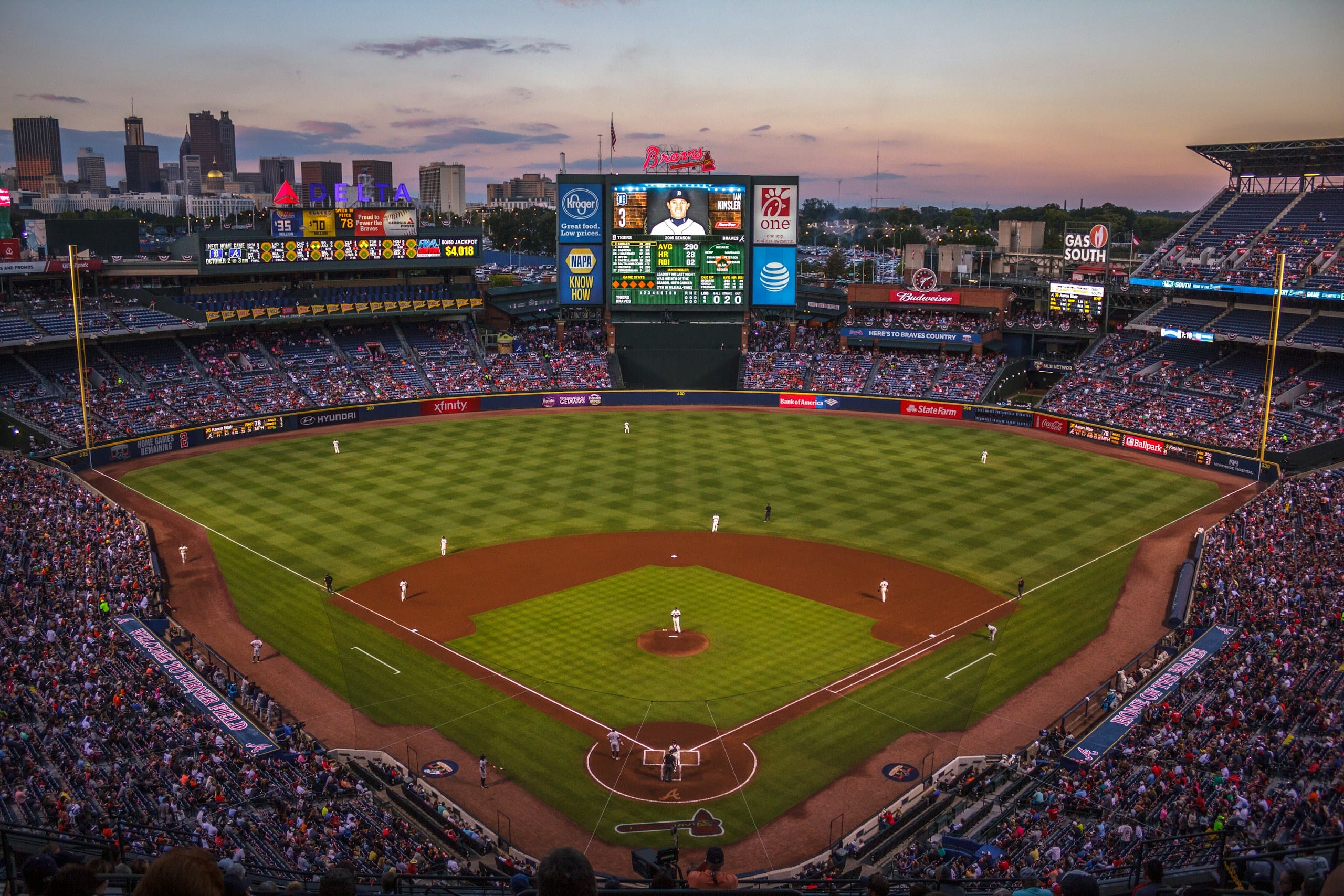
Every event day and every practice leading up to it depends on systems no one sees. LINX designs and installs the wireless, cabling, security, and multimedia infrastructure that stadiums, arenas, and training facilities nationwide rely on. We support new construction and active facilities that can’t afford downtime.
1,500 employees. Nationwide deployment. More than 100,000 stadium, arena, and commercial technology projects completed since 2003.

Every project comes down to four outcomes, whether the building hosts a sold-out crowd on Sunday or a full roster of athletes every morning.
Every one of these systems has to work across a large facility, from the parking lot to the press box, and it has to keep working as the venue grows and technology changes.
LINX supports environments across the spectrum of professional and collegiate sports, from single stadiums to full training complexes.
Many of these venues now anchor larger districts, with hotels, retail, and plazas designed to keep people nearby before and after the event itself. The success of the venues seriously impacts the local economy.
LINX brings four systems together under one team. Each supports a different outcome, but together they eliminate the handoffs that stall venue projects.
Supports: Connectivity, Security, Fan Experience
Most stadium wireless infrastructure now runs on layered systems: a distributed antenna system for baseline coverage, small cells for the busiest sections, and private networks for staff and operations. In training facilities, coverage has to extend beyond the building to practice fields, where coaches rely on connected tablets and real-time tracking data.
Wi-Fi is part of that mix, too. As more devices support Wi-Fi 7 and the 6 GHz band, clean, dedicated spectrum is solving coverage problems that once pushed venues toward a private cellular network. LINX designs commercial cellular and private two-way radio systems built to each carrier’s specifications, so fans and staff stay connected even at capacity.
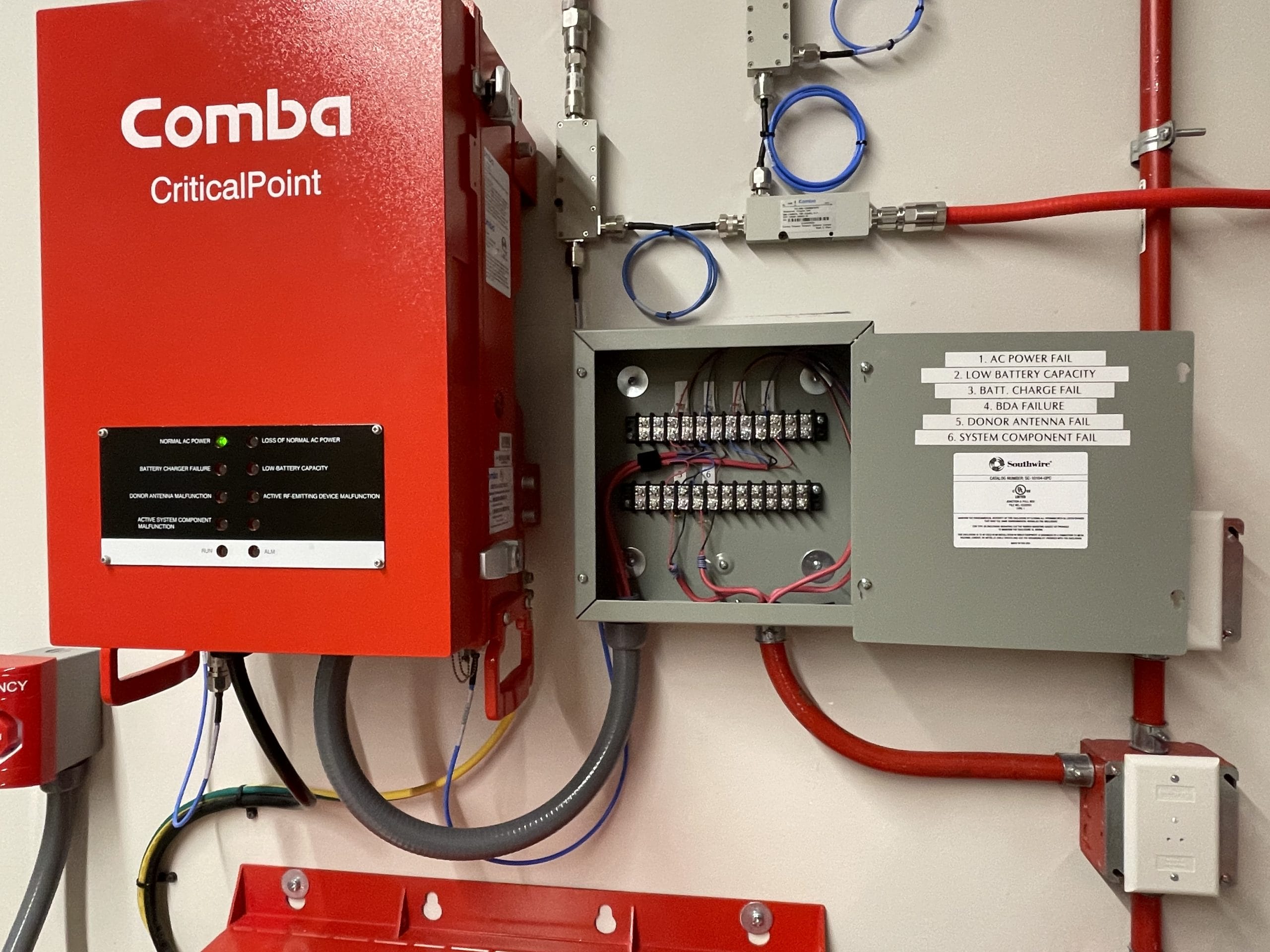
The same infrastructure also carries public safety communications, which firefighters and police rely on inside the building. Emergency responder coverage falls under codes like IFC Section 510 and NFPA 1225, and in most jurisdictions, the system must be tested and approved before a venue can open to the public. LINX designs these systems to meet each jurisdiction’s fire code, so compliance never becomes the reason an opening date slips.
Supports: Connectivity, Venue Operations
Every wireless system, camera, and point-of-sale terminal depends on the network cabling beneath it. LINX builds the fiber backbone and structured cabling that reach concourses, suites, press areas, and broadcast positions, and sizes it for what the venue will need in five years, not just what is required to open. In training facilities, that same backbone carries practice footage from field camera positions to film rooms and coaching offices.
A wireless access point built for Wi-Fi 7 needs a cabling port that can keep up with it, and venues that skip this step end up bottlenecked at the wall instead of the antenna. Reliable cabling also keeps cashless concessions and point-of-sale systems running during the busiest minutes of an event, when a dropped connection costs revenue.
Supports: Security, Venue Operations
A stadium has more restricted areas than almost any other commercial building, from locker rooms and suites to broadcast booths and back-of-house corridors. LINX designs stadium security systems, access control, and IP video systems that tie into a central command center, so security staff can see and manage the whole venue from one place.
Life safety codes for occupancy, evacuation, and continuity planning set the baseline for what a venue needs, and LINX designs to that baseline and beyond it. The goal is a system that scales with a full stadium of fans without adding staff to run it.
Training facilities have their own list of spaces to protect, from locker rooms and medical areas to the offices where game plans are built. Strict access control is needed to keep media, fans, or rival teams from acquiring vital information before a game.
Supports: Fan Experience, Venue Operations, Revenue
Fans notice a stadium’s audio and video systems more than almost any other piece of infrastructure. When implemented well, these systems have a major impact on the fan experience. They bring fans into the game, giving them a way to react, cheer, and celebrate together so the whole building feels part of the team.
LINX designs multimedia systems that perform across every part of the venue:
These systems have to perform for a sold-out crowd on Sunday and a film session at the training facility on Tuesday. LINX builds them for both. Multimedia is where the fan experience shows up, but it depends entirely on the underlying wireless and cabling.
When one team designs all four of these systems together, the handoffs between them disappear, and so does a lot of the risk that comes with coordinating separate vendors.
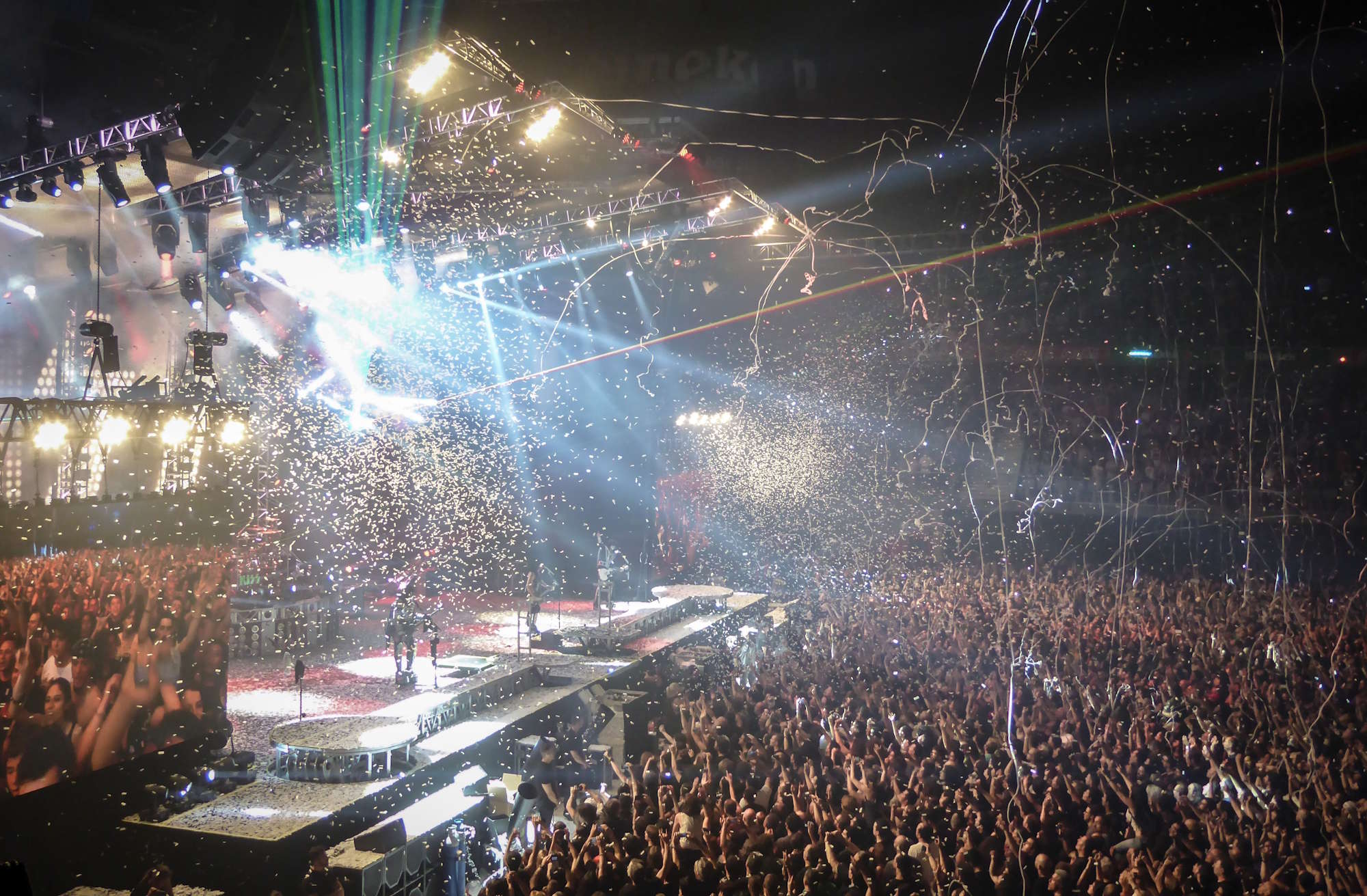
A venue’s technology shouldn’t only work on game day. The same infrastructure that supports a sold-out crowd on Sunday can support a full calendar of events the rest of the week, and every event is another revenue opportunity for the owner.
Reliable wireless and cabling keep guests connected and payments moving. Access control and video surveillance allow operators to open the building to different groups while keeping the designated areas secure. Quality video and sound turn a stadium or arena into a place people want to book. Venues built this way can attract:
Every one of these events is another day the building earns, and another way to introduce the venue to people who may not be sports fans yet.
LINX supports venues and training facilities at every stage of that cycle, from a new building’s first design meeting to a renovation happening while the team is still playing.
| New Construction & Expansions | Modernizing an Operating Facility | |
|---|---|---|
| When it fits | Ground-up builds, additions, and major renovations | Upgrades to an aging system while the venue keeps hosting events |
| What LINX delivers | Early design input, coordination with architects and general contractors, and pathway planning before walls close | Phased installation scheduled around the event calendar and team training schedule, often overnight or in the offseason |
| How risk is managed | Prefabrication off-site cuts on-site labor by up to 60 percent, which helps hold a hard opening date. | Work is phased around the event schedule, so fans never notice construction, and staff never lose the systems they rely on. |
Public safety systems must also pass an acceptance test before a venue can open. A failed test can delay the issuance of a certificate of occupancy during opening week. LINX manages that process directly with the local fire authority, so it does not become a surprise late in the schedule.
LINX’s work at the Coors Field Rooftop in Denver is one of the most visible examples of what stadium redevelopment can look like. When it opened, The Rooftop was the biggest entertainment deck in sports. It replaced the highest rows of the upper deck in right field with a two-level, open-air space built for fans who want a place to gather, eat, and watch the game from a different vantage point.
LINX – which is headquartered in Colorado – installed 98 TVs in The Rooftop, including a massive video wall across the main bar area and speakers to provide immersive audio. The goal was to make technology feel like a natural part of the experience. It is now one of the most popular areas in the ballpark, and it shows what happens when a venue redesign is backed by infrastructure built to support it.
Coors Field is just one example. LINX has supported venues and entertainment districts across Colorado, including:
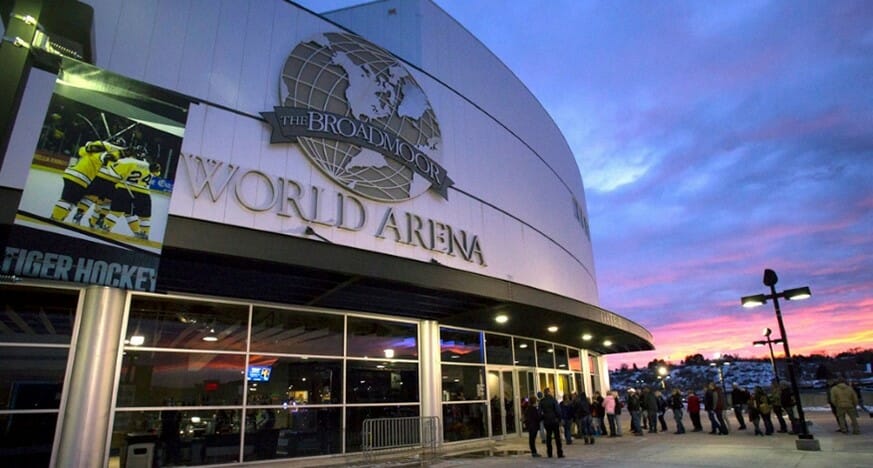
Broadmoor World Arena.
In Colorado Springs, LINX installed a five-sector distributed antenna system at the Broadmoor World Arena, giving thousands of attendees reliable coverage during sold-out events.
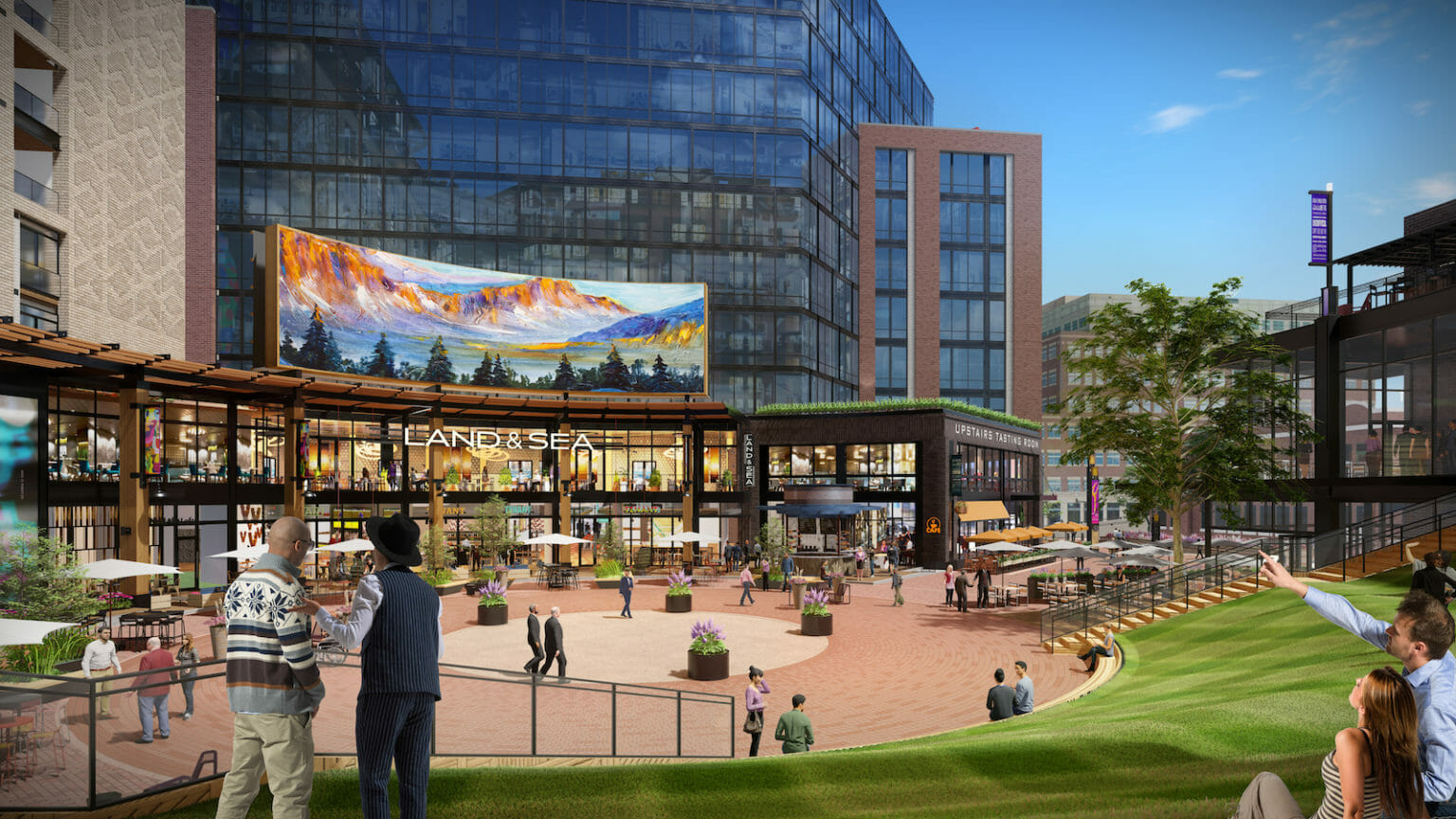
McGregor Square.
Game day at Coors Field doesn’t end at the gates. It spills into McGregor Square, the mixed-use district next door, where LINX delivered the voice/data, security, and wireless systems. The Denver project spans a hotel, condos, offices, retail, and restaurants, more than 123,000 cables, and a 28,000-square-foot plaza built for concerts, watch parties, and a winter skating rink.
1,500 employees. More than $1 billion in projects delivered across all 50 states. Over 2,000 in-building wireless solutions since 2008.
Fire codes like IFC Section 510 and NFPA 1225 require that firefighters and police can communicate by radio anywhere inside a building. Stadiums and arenas often struggle here, since concrete and steel can block signals.
The process starts with a signal survey to measure coverage throughout the venue. If coverage falls short, the venue needs a public safety radio system that carries those signals indoors, and the local fire authority must inspect and approve it before the venue can open.
LINX designs, installs, and tests these systems to meet each jurisdiction’s requirements, so code compliance never holds up an opening date.
Yes. LINX schedules this kind of work around the event calendar or practice schedule, often overnight, during the offseason, or in phases that never take a whole system offline at once. The goal is to finish the upgrade without fans or staff noticing a gap in coverage.
Most venues now use a layered approach: a distributed antenna system for baseline cellular coverage, Wi-Fi for high bandwidth needs like video and ordering, and a private network for staff and operations. No single layer can carry that much traffic on its own.
Yes. LINX has offices in Colorado, Utah, Washington, Wyoming, and Northern Virginia, and the company follows general contractor and ownership relationships to stadium and arena projects across the country.
A single partner coordinates wireless, cabling, security, and multimedia from one set of drawings, which cuts down on the change orders that come from separate vendors working against different plans. It also means one point of accountability if something does not work as designed.
Training facilities depend on secure access control for locker rooms and coaching areas, reliable wireless throughout the building, and AV built for film review and team meetings. Cabling capacity also matters, since performance and analytics systems continue to add to the load.
Ongoing support and maintenance keep systems running the way they were designed to, and public safety systems in particular need to be retested on a regular schedule to stay code compliant. LINX offers support services for that kind of long-term ownership.
It often makes sense. Matching access credentials, networks, and video platforms across buildings means staff don’t have to manage separate systems, and security teams get one view of every facility. LINX can design both, so they work together from day one.
Tell us where your venue project stands, whether it is early planning, active construction, or an upgrade to a facility that is already open. LINX works with stadiums, arenas, and training facilities nationwide, so your location does not limit what our team can take on.
Once you submit the form, a venue-focused member of the LINX team will follow up to talk through your goals and next steps.