

Secure Facility Technology Infrastructure for Classified Environments
Secure Facility Technology Infrastructure for Classified Environments
Secure Facility Technology Infrastructure for Classified Environments
LINX designs and installs the multi-classification structured cabling and AV systems that classified environments depend on — built to ICD 705 and TEMPEST standards, and delivered by a team that understands what accreditation actually requires. With over 3.1 million square feet of completed secure installations, LINX is the technology partner that can support you at every stage of a secure facility build.

Secure construction is unlike any other environment we work in. The standards are stricter, the inspections are unforgiving, and a detail missed during rough-in can stall accreditation for months. LINX designs infrastructure around those realities rather than treating a secure facility as an ordinary build with extra paperwork.
Secure work is not a single facility type. Classification levels, inspection requirements and construction approach vary widely, and LINX adapts its approach to the specific requirements each environment carries.
Secure facility projects rarely start at installation. The decisions that determine whether a space can be accredited are made much earlier, which is why LINX supports secure work from design through turnover.
Infrastructure designed against ICD 705 and TEMPEST guidelines from the outset, so the standard the facility will be inspected against shapes the drawings rather than arriving as a correction.
Early guidance on pathways, separation and sequencing before construction locks them in — the stage where most accreditation problems are created or avoided.
Category 6/6A structured cabling, fiber optic infrastructure, telecom room build-out and AV systems, installed to the separation requirements the facility’s classification level demands.


Secure facilities punish fragmentation. Every additional vendor is another party that has to understand the standards, coordinate around inspection, and be accounted for inside a controlled space. Consolidating the work changes how the project runs.
The standards are understood before work begins. Large portions of the LINX project management staff and field technicians have completed training on Red/Black guidelines and PDS systems, so compliance is built into execution rather than discovered during inspection.
Secure projects fail on the details a general contractor has no reason to know. The difference between a partner who has worked inside accredited space and one who has not shows up long before inspection.
| Evaluation Criteria | General Low-Voltage Contractor | The LINX Model |
|---|---|---|
| Standards Knowledge | ICD 705 and TEMPEST learned on the job | Trained project management and field staff |
| Separation Requirements | Addressed once flagged during inspection | Designed in from the start |
| Accreditation Impact | Rework and schedule risk late in the build | Sequenced and documented for inspection |
| Secure Sector Experience | Occasional secure projects | Over 3.1 million square feet completed |
| Scope Coordination | Multiple vendors inside a controlled space | Single partner across cabling, fiber and AV |
Secure projects vary enormously in size and complexity. Here is how that work plays out across the situations we support most.
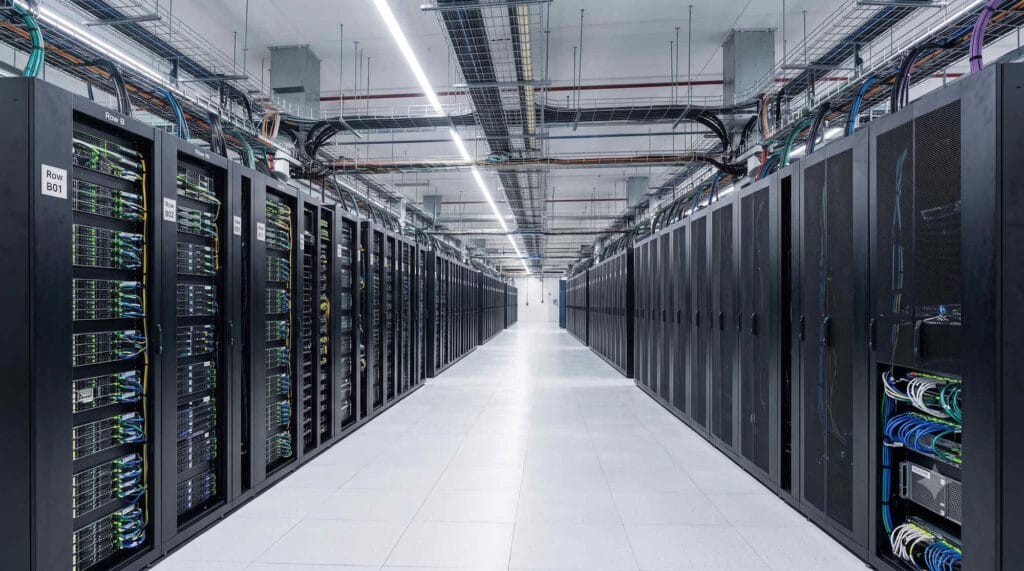
Multi-classification cabling and AV infrastructure delivered across a secure facility in the hundreds of thousands of square feet, coordinated with construction and inspection from the start.
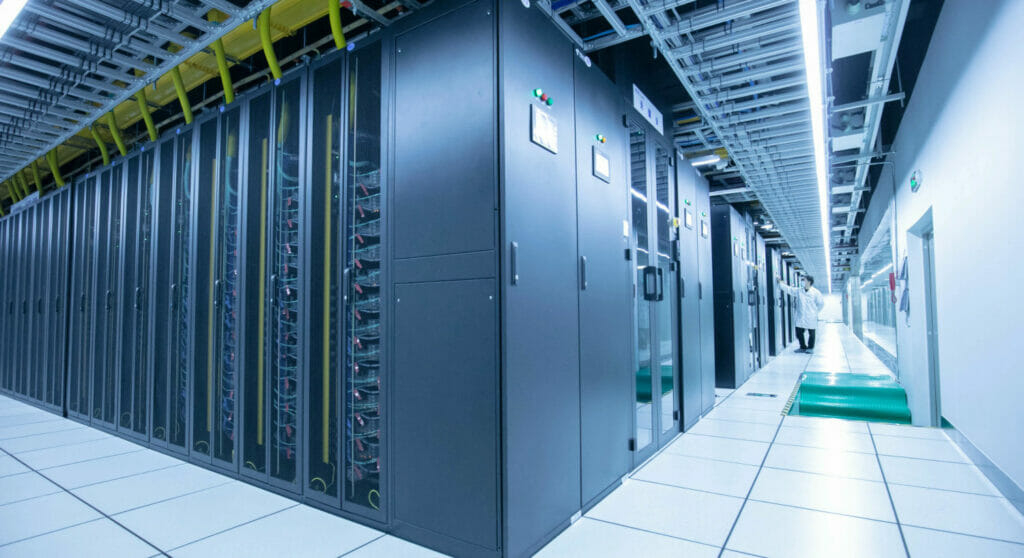
A controlled environment built inside an active facility, with separation requirements and access control maintained while the rest of the building keeps operating.

Systems at different classification levels installed in a shared footprint, with the network, media and hardware separation those levels require.
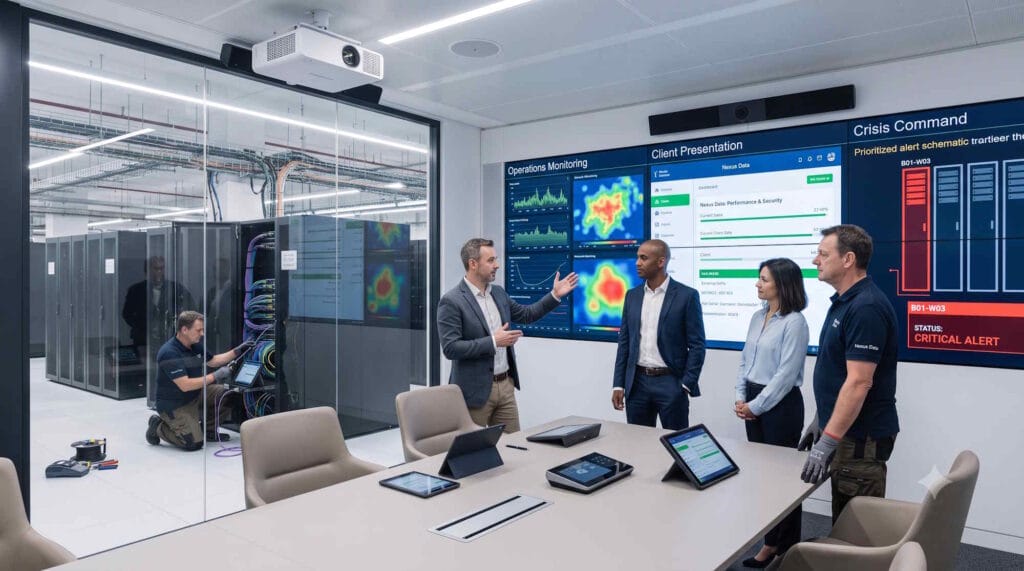
Infrastructure assessed, corrected and documented in an existing secure space so the facility can move through inspection and accreditation.
With over 3.1 million square feet of completed secure installations, these are a few examples of LINX past and current performance in secure facilities — environments ranging in size from 2,000 to 700,000 square feet.
A representative selection of completed and in-progress secure work. Project names are internal LINX designations.
A Sensitive Compartmented Information Facility is a secure room that protects against electronic surveillance and suppresses the leakage of sensitive government, military and security information. It must be built and accredited to Director of National Intelligence security standards under Intelligence Community Directive 705.
Yes. Installing multi-classification structured cabling and AV in secure environments requires adherence to the latest ICD 705 and TEMPEST standards, and LINX is extremely familiar with deploying systems to IC technical specifications.
SCIF, SAPF and Collateral environments, including multi-classification facilities where systems at different levels share a footprint.
Large portions of the LINX project management staff and field technicians have completed training courses on Red/Black guidelines, PDS systems and related secure-installation practices.
Over 3.1 million square feet of completed secure installations, in facilities ranging from 2,000 to 700,000 square feet.
Yes. LINX provides design and consulting services so pathways, separation and sequencing are resolved before construction locks them in — which is where most accreditation problems originate.
Category 6/6A structured cabling, fiber optic infrastructure, telecom room build-out and AV systems, installed to the separation requirements the facility’s classification level demands.
By installing to the standard the facility will be inspected against and documenting the work as it goes, so accreditation proceeds without the rework that late-discovered compliance gaps create.
Secure facility work in the Washington, DC region is delivered from our Northern Virginia office in Chantilly.
Whether you are planning a new secure build, adding a controlled space inside an existing facility, or preparing an existing environment for accreditation, tell us where your project stands and we will help you plan the infrastructure around it.