Healthcare Facility Technology Infrastructure for Safer, Better-Connected Care
Healthcare Facility Technology Infrastructure for Safer, Better-Connected Care
Healthcare Facility Technology Infrastructure for Safer, Better-Connected Care
LINX gives you one hospital low-voltage contractor for the technology behind connected care, safer buildings, better patient and staff experiences, and uninterrupted operations. We deliver these solutions nationwide and inside active hospitals without slowing down the people who work there.
Projects completed in all 50 states, supported by LINX teams in Colorado, Utah, Wyoming, and Washington, as well as a growing presence in Virginia.

Your facility runs around the clock, and so does every system inside it. When a connection drops or a door fails to lock, care slows down.
Every care setting has its own pressures. A 24/7 hospital campus faces different demands than a clinic opening on a tight lease timeline. We plan around yours.
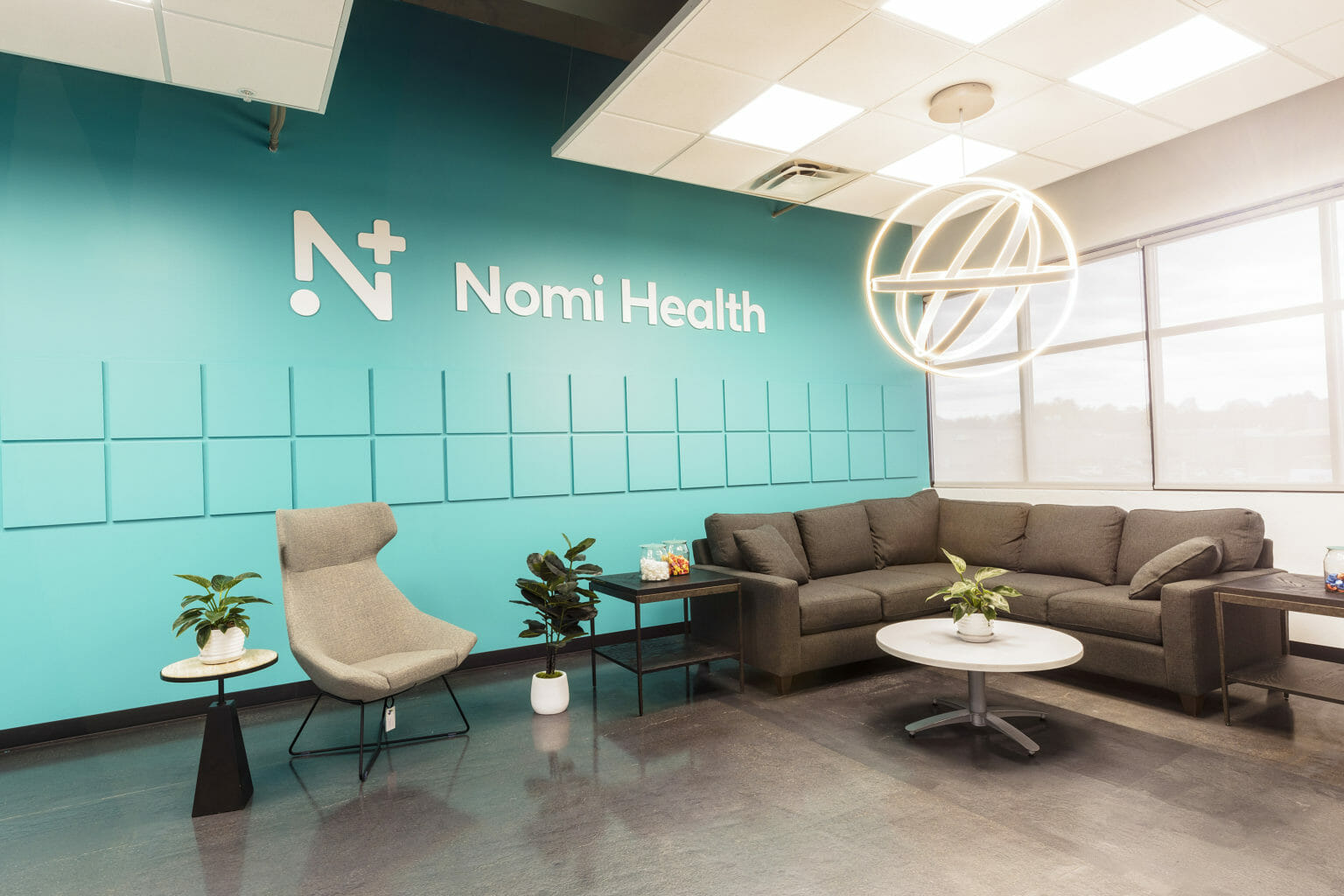

Are you breaking ground on a new hospital or updating a 40-year-old wing? The stakes change with each stage of your project, and so does our approach. On new builds, we coordinate with your general contractor and design team from early design. On existing facilities, we plan every tie-in so new systems and old ones run as one.
| New Construction | Expansions & Renovations | Aging-Facility Upgrades | Upgrades in Occupied Spaces | |
|---|---|---|---|---|
| What’s at stake | Getting infrastructure designed in before walls close | Connecting new space to existing systems | Replacing legacy systems while departments stay open | Keeping care uninterrupted while crews work nearby |
| How LINX approaches it | Early coordination with your GC and design team | Tie-ins planned so every system works together | Phased cutovers that keep critical systems live | Off-peak work, phased around clinical schedules |
Low-voltage systems power data networks, audio-video, automation, life safety, and security platforms. As a hospital low-voltage contractor, LINX designs and installs cabling throughout your facility. Each cable supports the safety and functionality outcomes your care teams depend on.

Supports: Connectivity & Clinical Communication | Operational Continuity
Every clinical system you rely on runs over structured cabling, the organized copper and fiber that connects devices to your network. When it’s planned well, adding a department or new equipment later is simple. When it isn’t, every change means rework. Our team designs pathways and capacity around your current needs and expected growth. Every connection is tested before handoff, and labeled documentation shows your IT team exactly what’s in the walls. Our BICSI-certified RCDDs (Registered Communications Distribution Designers) build infrastructure that outlasts the equipment plugged into it.
Supports: Connectivity & Clinical Communication | Safety & Security
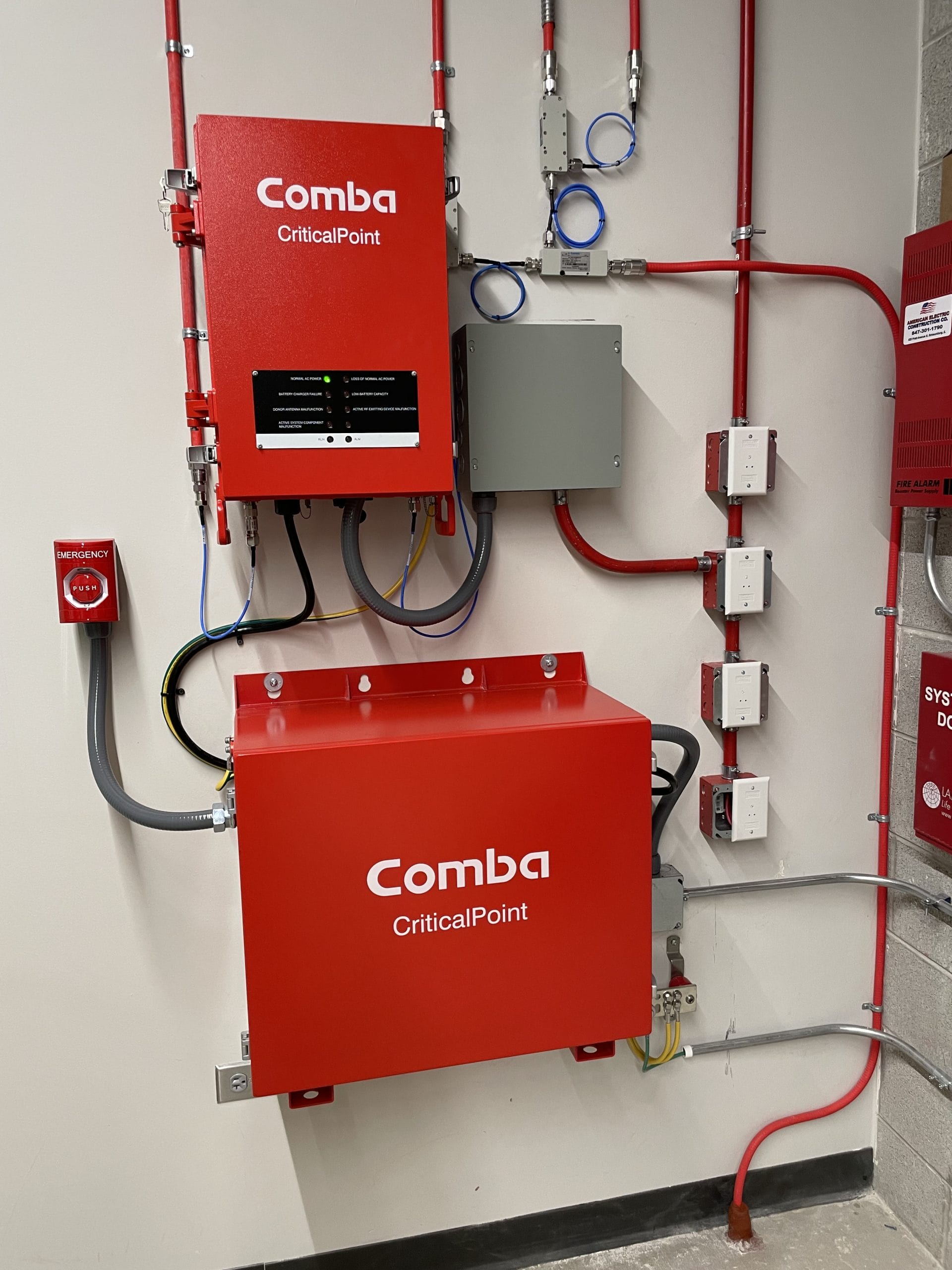
Thick walls and lead-lined imaging rooms block cell and Wi-Fi signals. That leaves staff with dropped calls and patients unable to reach family. A distributed antenna system (DAS) places small antennas throughout your building to carry a strong signal where people need it. We also install public safety radio coverage, known as an emergency responder radio communication system (ERRCS). It lets firefighters and other first responders communicate anywhere in your facility during an emergency. Many jurisdictions require it before a new building can open, and we work with your local fire officials to meet those requirements.
Supports: Safety & Security | Patient & Staff Experience
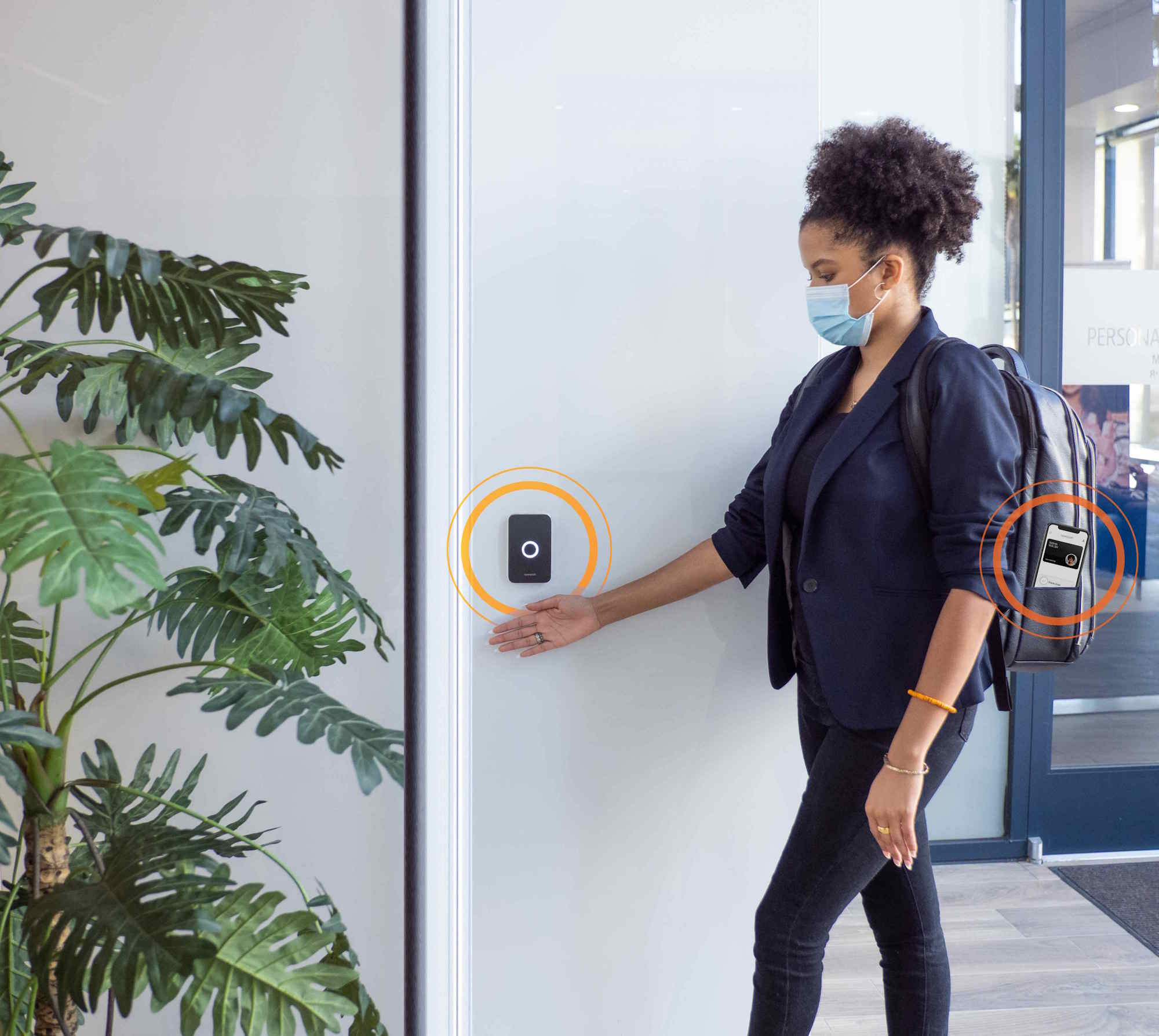
Who should be able to walk into your pharmacy or your nursery? Access control answers that question with badge readers and door hardware that open only for authorized staff. Video surveillance adds another layer, giving your security team clear views of entrances and parking areas. We design both systems together, so they share information and scale as your campus grows. Your staff moves through the building with confidence. Patients and families feel safer from the moment they arrive.

Supports: Patient & Staff Experience | Clinical Communication
Care decisions often happen in huddle rooms, where teams review cases and plan next steps. When the display won’t connect or the audio cuts out, those conversations stall. We design collaboration spaces that are simple to use, with clear audio for anyone joining remotely. The same thinking applies to digital signage that guides visitors through your campus and displays that keep patients informed during their stay.
One partner, one point of accountability. Network cabling, wireless, security, and AV come from a single team. Fewer handoffs mean fewer gaps, and you always know who owns the outcome.

Careful phasing lets you upgrade cabling while every department stays open. The most effective practices include:
They can decide whether your building opens on time. The authority having jurisdiction (AHJ), usually the local fire marshal or building department, sets the radio coverage standards for emergency responders in your area. Those standards vary from one city or county to the next. In many areas, passing a coverage test is part of getting your certificate of occupancy. LINX connects with your AHJ early in design to confirm local requirements. From there, we plan coverage to meet them.
LINX can. We’ve delivered technology projects in all 50 states. For multi-state health systems, we apply the same design standards and installation practices at every site, so your facilities team can support each location the same way.
Yes. LINX has teams in Colorado, Washington, Wyoming, and Utah. Our Virginia presence grew with the acquisition of B.I.G., a Virginia telecom provider. You get local support from those teams, with service available nationwide.
Bring your low-voltage contractor in during schematic design, well before construction documents are final. Early involvement lets us plan cable pathways and equipment room sizes while changes are still inexpensive. It also prevents costly rework after walls close, and it keeps technology from becoming the item that holds up your opening date.
Look beyond the lowest bid. A strong partner should offer:
Ask each contractor to walk you through a similar project, including what went wrong and how they fixed it.
Regional conditions shape how infrastructure is designed and built. In Washington, seismic requirements affect how cable pathways and equipment racks are braced, so systems keep working after an earthquake. In Colorado, health systems often serve both Front Range metros and remote mountain communities, which makes consistent standards and travel planning more important. LINX accounts for these conditions during design, before they turn into change orders.
It comes down to ownership. A dedicated program manager oversees every building and phase, tracking costs and timelines against one plan. Regular progress updates catch issues while they’re still small. And because one partner handles your entire low-voltage scope, you avoid the delays that come from coordinating several contractors who each own a piece.
Planning a new hospital, an expansion, a renovation or an upgrade inside an occupied facility? We’d like to hear about it. Share a few details about your project, and a member of our healthcare team will follow up to talk through your scope and timeline. Our teams in Colorado and Washington, along with our Virginia location, support healthcare projects nationwide.